Welcome to the
Guidance of Hope Corner
Welcome to the very seventh edition of
GOH Corner, a space created with intention, care, and truth. This newsletter lives at the intersection of healing, community, and empowerment. Each issue will offer grounded reflections, clinical insight, and accessible tools to support you through life’s transitions.
September is Suicide Prevention Month, and as I sat down to write this letter, my heart was with Pierre Damas Bel, a 20-year-old Haitian young man in Springfield, Ohio. Pierre was a recent high school graduate, student-athlete, and young man with dreams for his future. His family has shared that after being required to wear an ICE ankle monitor, he experienced intense shame, humiliation, and despair before his death.
I want to dedicate this issue to Pierre, his family, and my Haitian community, which continues to experience fear, uncertainty, stigma, and the emotional consequences of what is happening around immigration in this country.
Haitians are not America's enemy.
We did not colonize ourselves. We did not choose the historical exploitation that followed Haiti's fight for freedom. And Haitian people should not continuously have to prove that we are worthy of dignity, safety, opportunity, and humanity.
I also want to acknowledge immigrants from other communities who are living with fear, uncertainty, family separation, discrimination, or the feeling that they are no longer welcome in a place they once believed could offer opportunity.
When I came to this country, I was given opportunities that helped shape the woman and professional I am today. Today, I find myself wrestling with what this country represents for people arriving with those same hopes.
And this is why mental health cannot be separated from what is happening around.
Newsletter


The GOH Pause.
A space to pause, reset, and reconnect.

Nature's Symphony
Mindfulness
Release What You’re Holding
Come Back to Yourself
Begin Again
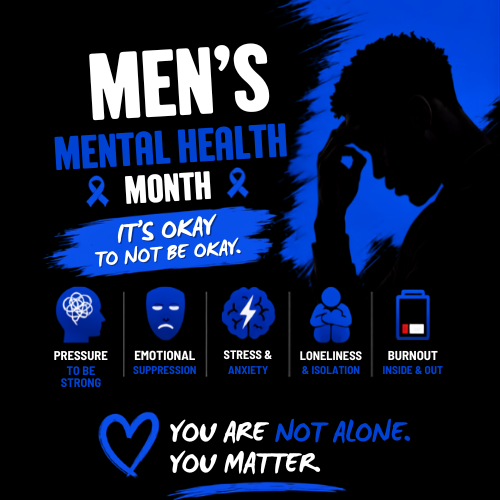
A Mental Health Check-In For Men
From Grief To Strength
I Am Not My Thoughts
What Emotion Am I Avoiding
Do I Need Therapy?
Clarity. Support. A Starting Point.
Sometimes the hardest part isn’t the healing, it’s knowing where to begin. You don’t need to be in crisis to benefit from therapy. You just need to notice that something isn’t working the way it used to. This space is here to help you understand what you’re experiencing and what support could look like.
Signs You May Benefit from Therapy
You might not say “I need therapy.”
But it may sound like:
01
I feel overwhelmed all the time and don’t know why.
02
I keep having the same issues in my relationships
03
I overthink everything and can’t turn my mind off.
04
I feel stuck, even when I try to move forward.
05
I’m functioning but I’m exhausted
06
I don’t feel like myself lately.
Or it may show up as:
Irritability or emotional shutdown
Difficulty sleeping or constant fatigue
Anxiety, racing thoughts, or restlessness
Avoidance, procrastination, or numbness
Feeling disconnected from yourself or others
Therapy isn’t just for breakdowns.
It’s for understanding, clarity, and change.
I should be able to handle this on my own
You were never meant to do everything alone
Therapy is only for severe issues.
Therapy is for everyday stress, patterns, and growth.
Talking to friends is enough.
Support is helpful. Structure and clinical insight create change.
Therapists just listen.
Therapy involves tools, strategies, and active guidance.
What to Expect in Therapy
At Guidance of Hope, therapy is not one-size-fits-all.
You can expect:
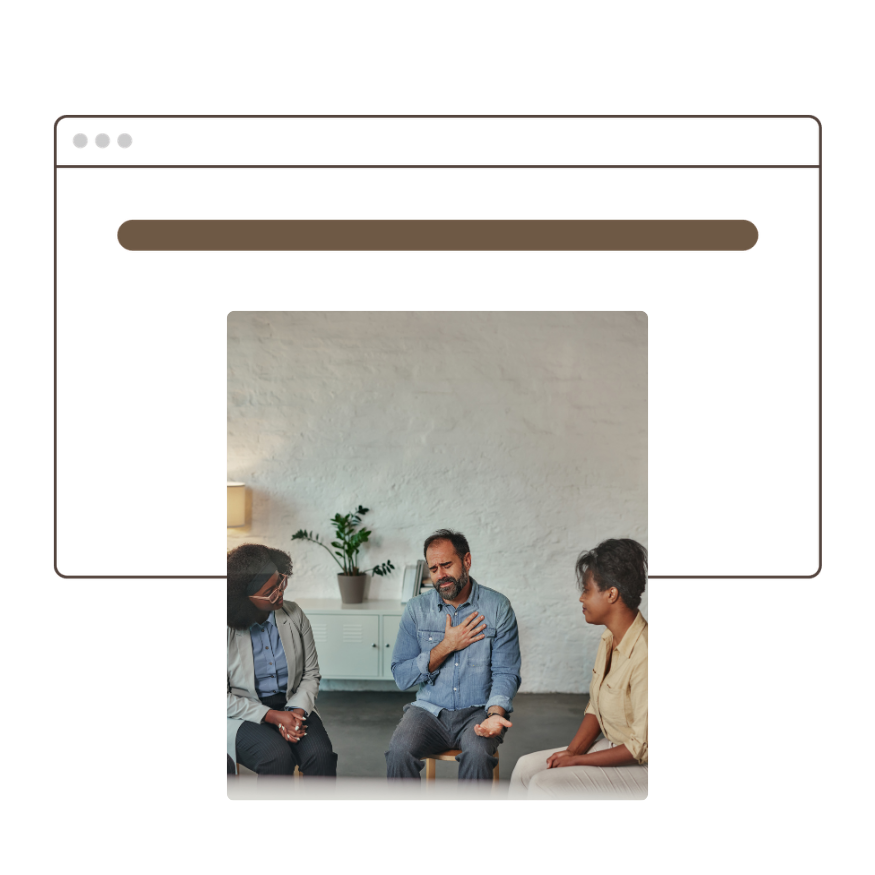
- A space that is non-judgmental and culturally aware.
- A focus on both understanding and action.
- Tools from DBT, ACT, mindfulness, trauma-informed care, and relational therapy.
- Support in identifying patterns, regulating emotions, and making intentional choices.
We don’t just talk about the problem.
We help you learn how to respond differently.

Not Ready for Weekly Therapy?
Start Here.
GOH Triage Sessions
If you’re feeling overwhelmed but not ready to commit to ongoing therapy, this may be the right place to start.
GOH Triage Sessions are short-term, focused sessions designed to help you:
- Stabilize in moments of stress.
- Gain clarity on what’s happening.
- Leave with a clear.
- Practical plan.
We’ll focus on:
What you’re experiencing right now.
What you need most
Your next best steps
Using DBT, ACT, and mindfulness-based tools, you’ll walk away feeling more grounded, clear, and in control.
- Limited spots available.
Still Not Sure? Ask Yourself This:
- Am I coping or actually healing?
- Do I feel supported in the way I need?
- What would change if I had the right tools and guidance?
- You Don’t Have to Wait Until It Gets Worse
Seeking support is not a sign that something is wrong with you.
It’s a sign that you’re ready for something to shift.
Relationship Lab
Where Insight Meets Practice
Relationships are not just about love; they are about patterns, communication, and intentional growth. The Relationship Lab is a space to explore how you show up in relationships, whether with yourself or others, and to develop the skills needed to create healthier, more aligned connections.
This is not about perfection.
It’s about awareness, practice, and change.
For Singles
Understanding Your Patterns Before Partnership
Before you choose a partner, you bring your experiences, your wounds, your expectations.
01
Therapist Insight:
You don’t just attract people, you often repeat what feels familiar.
02
Reflection Prompts:
Do I know what emotional safety feels like in my body?
Am I choosing connection or avoiding loneliness?
What patterns have I repeated in past relationships?
Practice: Pattern Awareness
Think about your last relationship.
What did you need but didn’t express?
What did you tolerate that didn’t align with your values?

Now ask:
What would choosing differently look like next time?
Real Talk:
Healing as a single person is not about becoming perfect.
It’s about becoming aware enough to choose differently.
For Couples
Partnership Is a Practice
Love alone does not sustain a relationship.
Skills do!
Therapist Insight:
Most conflict is not about the issue; it’s about feeling unheard, unseen, or misunderstood (NEEDS NOT BEING MET).
Reflection Prompts:
Do we repair after a conflict or avoid it?
Do I feel emotionally safe expressing my needs?
Are we growing together or just functioning together?
Practice: The 2-Minute Check-In
Take turns answering:
- One thing I appreciated about you this week is…
- One thing I’ve been needing but haven’t said is…
- One way we can feel more connected this week is…
No interrupting. No fixing. Just listening.
Real Talk:
Conflict is not the problem.
Disconnection without repair is.
For Non-Traditional & Queer Relationships
Defining Partnership on Your Own Terms
Your relationship does not have to follow a traditional model to be healthy. But without default roles, clarity must be created intentionally.
Therapist Insight:
When roles are not predefined, communication becomes the foundation, not an option.
Reflection Prompts:
- Have we clearly defined what commitment looks like for us?
- Are our expectations spoken—or assumed?
- Do I feel safe being fully myself in this relationship?
Practice: Relationship Agreement Reset
Together, answer:
- What does commitment mean to each of us?
- What are our non-negotiables?
- What needs to be renegotiated right now?
Write it down. Revisit it. Adjust as you grow.
Affirmation:
Healthy relationships are not defined by tradition.
They are defined by consent, communication, and alignment.
Why Relationships Feel Hard (Across All Types)
Most relational challenges come down to:
- Emotional reactivity vs regulation
- Unmet needs not clearly expressed
- Fear of vulnerability
- Misaligned expectations
Micro Skill: Pause Before You Respond
Before reacting, ask:
- What am I feeling right now?
- What do I actually need?
- Can I express that clearly instead of reacting?
When You Need More Support
If you’re feeling stuck, overwhelmed, or unclear in your relationships:
You don’t have to figure it out alone.
GOH Triage Sessions
Short-term, focused sessions designed to help you:
Understand what’s happening
Identify your patterns
Leave with a clear plan
Using DBT, ACT, Gottman, and mindfulness tools, we help you move from confusion
→ clarity.



- Limited spots available.
Upcoming Workshops
Why Wasn’t I Enough?
A Two-Day Journey from Heartbreak to Self-Reclamation
October 3 & 4, 2026 | 10:00 AM–1:00 PM
DAY 1
Why Do I Love Like This?Understanding Attachment, Heartbreak & the Love We Were Taught
DAY 2
I Was So Busy Being Chosen, I Forgot to Choose
Reclaiming Your Identity, Worth, Values & Boundaries
Guidance of Hope Resource Corner
Trauma & Coping
01
Grounding exercises (5‑4‑3‑2‑1)
02
Insight Timer (app): guided anxiety & trauma practices
03
Read: The Body Keeps The Score by Bessel Van Der Kolk
The Pain We Carry: Healing from Complex PTSD for People of Color by Natali Gutierrez
04
Body‑based regulation (stretching, walking, breathwork)
BIPOC‑Centered Mental Health Resources
Inclusive Therapy directories
National Queer and Trans Therapist of color
Community‑based healing spaces
BEAM
Supports the mental health and well-being of marginalized communities through training, funding, and healing-centered resources for therapists and wellness practitioners.
Loveland Foundation
Supports Black women’s mental health by funding therapy, providing resources, and investing in BIPOC therapists
The Nap Ministry
Was founded in 2016 by Tricia Hersey and is an organization that examines the liberating power of naps.
Relationship Tools
Weekly relationship check‑in questions by Judeline Altema-Commey